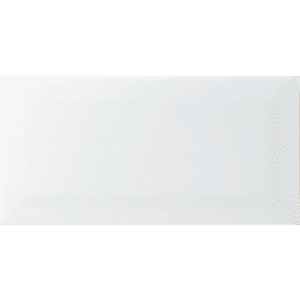
Classic Metro Tiles and Modern Brick Designs
Inspired by traditional underground and subway tiles, metro tiles offer a simple rectangular format that can be adapted to both traditional and contemporary interiors.
Classic white metro tiles provide a versatile backdrop, while coloured and textured designs can make a stronger feature. Bevelled edges introduce definition and shadow, whereas flat tiles produce a cleaner surface.
Where Can Metro Tiles Be Used?
Metro and brick-effect tiles are commonly used for kitchen splashbacks, bathroom walls and decorative features. Their relatively compact format makes them suitable for small areas as well as larger tiled walls.
Always check the individual product specification to confirm suitability for the intended room and application.
Metro Tile Laying Patterns
The laying pattern can noticeably change the finished appearance. Popular options include traditional brick bond, stacked horizontal, stacked vertical and herringbone-inspired arrangements.
Some patterns require more cutting and may increase wastage, so discuss the layout and quantity with your installer before ordering.
Metro Tile FAQs
What is the difference between metro and brick tiles?
The terms are frequently used for similar rectangular wall tiles. Metro tiles are associated with traditional underground-style designs, while brick-effect is a broader description covering rectangular tiles and brick-inspired finishes.
Are metro tiles suitable for kitchens and bathrooms?
Many metro tiles are designed for interior walls in kitchens and bathrooms. Check the individual product specification before installation.
What grout colour works with metro tiles?
A matching grout creates a more uniform finish, while contrasting grout highlights the shape and laying pattern. Consider the desired appearance and maintenance requirements when choosing.